

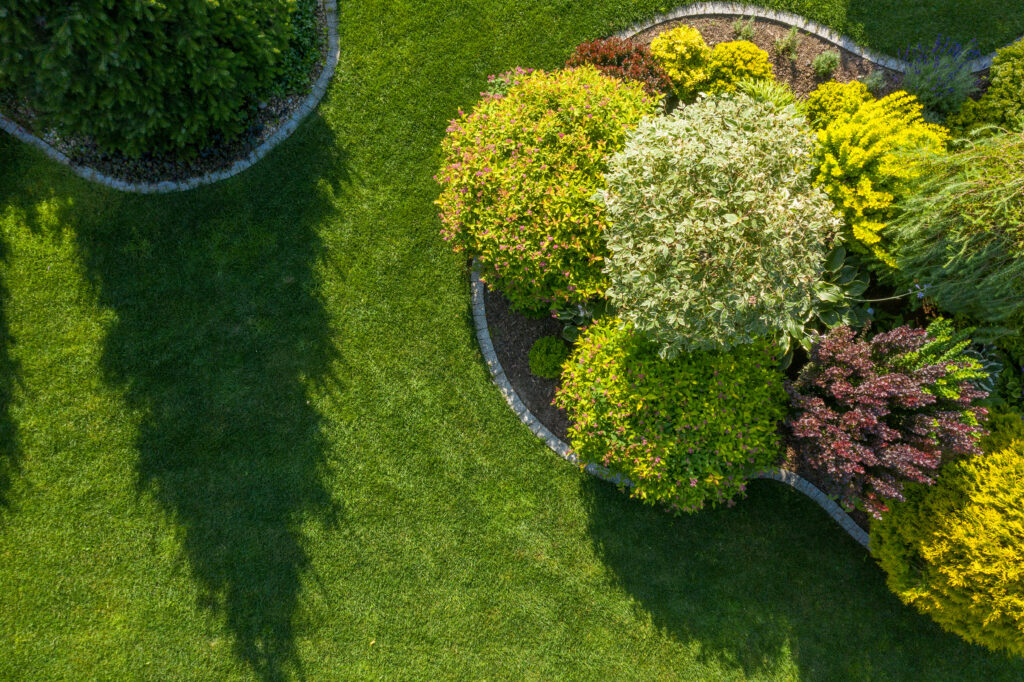
A lush, green lawn doesn’t happen by accident. Even if you water, mow, and fertilize regularly, your grass can still struggle if the soil beneath it is compacted. That’s where lawn aeration comes in.
Aeration is one of the best ways to improve the health of your lawn by allowing air, water, and nutrients to reach the roots more effectively. But how do you know when it’s time to aerate? Here are the most common signs your lawn is asking for help.
1. Water Pools Instead of Soaking In
If you notice puddles forming after a rainstorm or watering your lawn, compacted soil could be the culprit. Healthy soil absorbs water efficiently, but compacted ground prevents moisture from reaching the roots. Aeration creates small openings that improve water absorption and reduce runoff.
2. Your Lawn Feels Hard
Walk across your yard. Does the ground feel unusually hard or difficult to push a screwdriver or garden stake into? This is a common sign of soil compaction. Aeration loosens the soil, giving your grass roots the space they need to grow deeper and stronger.
3. Thin or Bare Patches
If your lawn has areas where the grass looks thin, weak, or bare, compacted soil may be preventing the roots from getting the oxygen and nutrients they need. Aeration encourages healthier root development, leading to thicker, fuller grass over time.
4. Heavy Foot Traffic
Lawns that see lots of activity naturally become compacted. If your yard is used by kids, pets, or for entertaining, the constant foot traffic can compress the soil and limit healthy grass growth. Annual aeration can help reverse this damage.
5. Excessive Thatch
A thin layer of thatch is normal, but when it becomes more than about half an inch thick, it can block water, air, and nutrients from reaching the soil. Aeration helps break down excess thatch while improving the overall health of your lawn.
6. Your Grass Looks Stressed
Even with regular watering and fertilizing, your lawn may still look dull, thin, or unhealthy if the roots can’t access the nutrients they need. Aeration improves the flow of essential resources to the root system, helping your lawn recover and thrive.
7. Your Lawn Was Established with Sod
Sod often develops compacted soil beneath it over time because of the installation process. If your lawn was sodded a few years ago and hasn’t been aerated since, it’s likely time to schedule the service.
When Is the Best Time to Aerate?
The ideal time to aerate depends on your grass type. Cool-season grasses, which are common throughout Illinois and much of the Midwest, benefit most from aeration in the fall. Warm-season grasses are typically aerated in late spring or early summer during their active growing season.
The Benefits of Lawn Aeration
Regular aeration provides many long-term benefits, including:
- Stronger, deeper root systems
- Improved water absorption
- Better fertilizer effectiveness
- Reduced soil compaction
- Healthier, thicker grass
- Less runoff and standing water
- Improved resistance to drought and heat stress
Let Kiefer Landscaping Help
If your lawn is showing any of these signs, aeration may be exactly what it needs. At Kiefer Landscaping, we provide professional core aeration services that help your lawn breathe, grow stronger roots, and stay healthy throughout the year.
Whether you’re preparing for fall overseeding or simply want a greener, thicker lawn, our team is here to help. Contact Kiefer Landscaping today to schedule your lawn aeration service and give your yard the healthy foundation it deserves.